

In the food business, a tasty product won’t necessarily sell if the stall is in the wrong place. Before you sign a lease or apply for a pitch, take time to assess the location carefully. Here are seven tips to help.
1. Watch the footfall
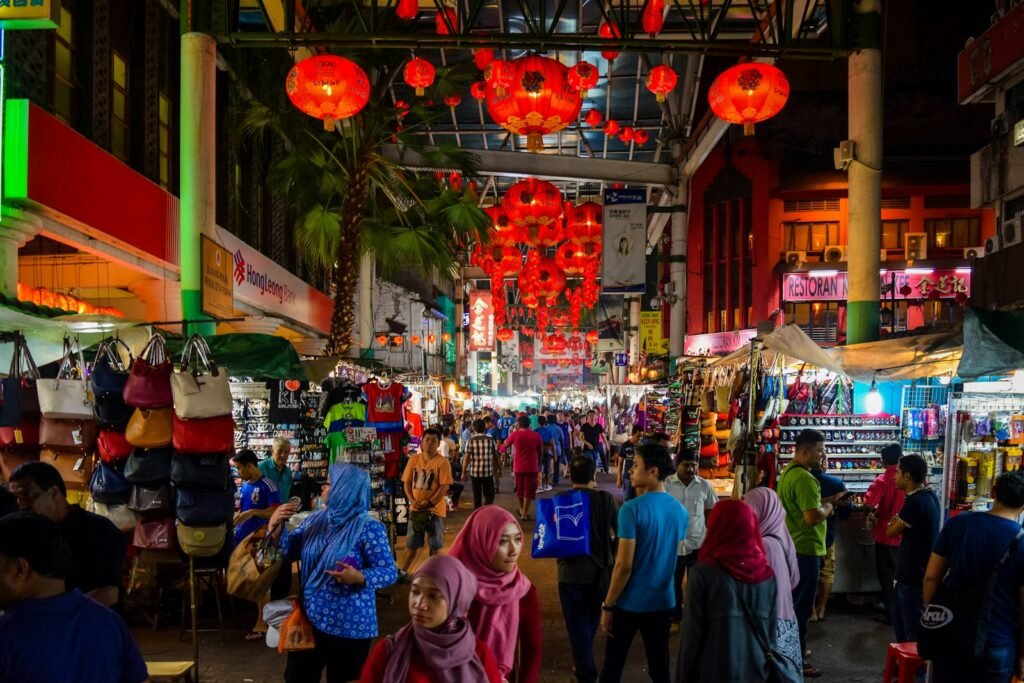
Visit the location at the hours you plan to trade and count how many people pass by in 15 minutes. Repeat on a weekday and at the weekend. A spot that is busy in the morning isn’t necessarily busy at night.
2. Know the local customers
Students, office workers, families and factory workers eat at different times and on different budgets. Ayam gunting in small portions may suit students, while family sets sell better in housing areas.
3. Check the competition, but don’t fear it
Other food stalls show that people already come here to buy food. What you should avoid is too many sellers of the same product. Choose a spot where you offer something that isn’t there yet, or make sure your product clearly stands out.
4. Make sure the stall is easy to see and reach
A stall hidden behind a building or hard to reach will miss customers. Nearby parking for cars or motorcycles helps a lot, especially for customers stopping on their way home.
5. Match your hours to the busy hours
Spots near offices are busy at lunchtime; housing areas are busier in the late afternoon and evening. Set your opening hours around your customers’ peak times, not your own habits.
6. Weigh the site cost against sales
An expensive site doesn’t always mean more profit. Estimate how many servings you must sell each day just to cover the rent, then ask yourself whether that number is realistic for the location. Our article on how to calculate food business costs and profit shows how.
7. Check permits and basic facilities
Trading on a public site usually needs a licence or permit from the local council. Check the conditions early. Also make sure there is electricity, water and somewhere to dispose of waste, as all of these affect hygiene and how smoothly you can operate.
Test before you commit
If you can, trade at a new location for a few weeks — for example at a night market or bazaar — before signing a long-term lease. Record your daily sales so your decision is based on numbers, not guesses.
Want to start with a set-up you can move if your first location doesn’t work out? Uncle Best’s kiosk and stall concepts are made for that — see our business packages.